
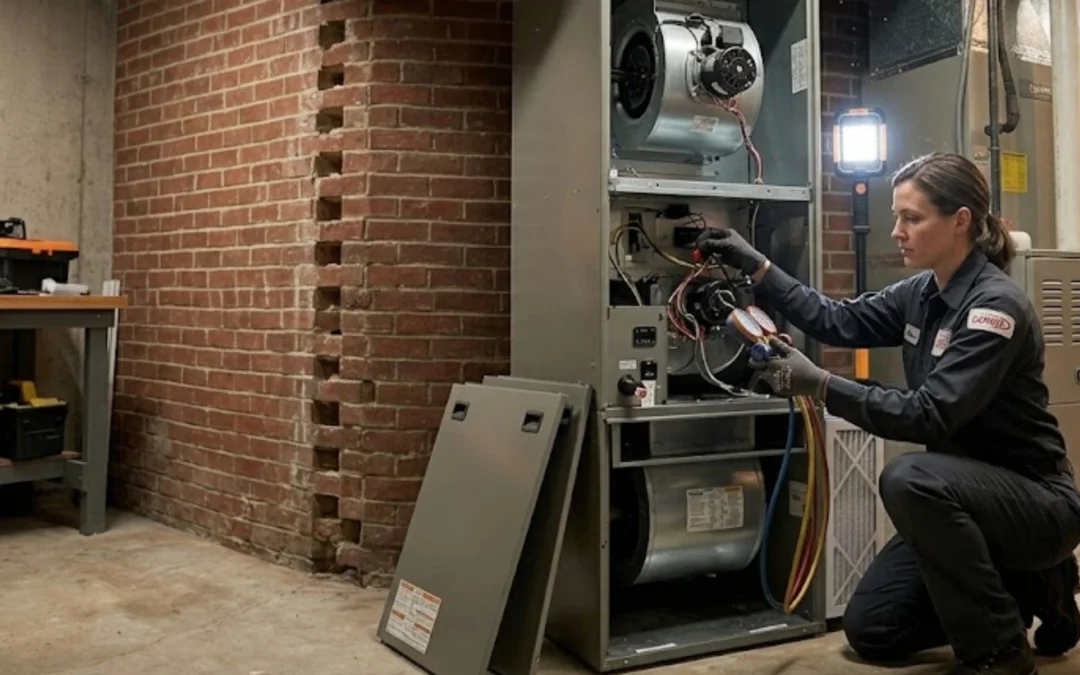
Little do most homeowners know that keeping the home cool during the scorching summer takes more than a single unit. Rather, it’s the result of multiple components working together as one HVAC system. When one part of the system falls short, especially the air handler, the cooled air won’t be properly circulated throughout your home.
However, people rarely mention air handlers when talking about HVAC systems. That’s why, in this guide, we’ll give them the attention they deserve with several air handlers maintenance tips that every homeowner should know.
What Is an Air Handler and Why Does It Matter?
Key Components of Air Handlers
Once you understand the key components in your seemingly simple air handler, it’s much easier to see why regular maintenance matters.
- Blower Motor and Fan: Working side by side to pull air in and push it to reach every room.
- Air Filter: Filters air from dust to dirt, leaving your family with only nice, clean air.
- Evaporator Coil: This part removes heat from the air that passes through.
- Control Board and Electrical Component: The brain that tells others when and how to run the system.
- Condensate Drain Line and Pan: While the rest focuses on cooling, this one handles the moisture–which is the byproduct of the process.
How Air Handlers Impact Your Cooling System
Don’t underestimate the impact of air handlers because your comfort and even your home energy efficiency depend on how well they do their job. First, it distributes the airflow. It doesn’t matter how much cool air your system produces; your rooms won’t get it when the air handler doesn’t do its job properly.
Worse, the discomfort will also turn into poor energy efficiency because your system has to work harder when the components we mentioned earlier aren’t in good condition. When that happens, be ready to pay higher utility bills for the extra energy used and to experience faster wear and tear, which will affect the overall system lifespan.
Lastly, air handlers also handle the indoor air quality that your family gets. A well-functioning system will help reduce dust, allergens, and other airborne particles, delivering only the clean, cool air to your home. When it goes rogue, those same particles can build up and pose a danger to loved ones with asthma or allergies.
Why Regular Air Handler Maintenance Is Essential
Now that you’ve grasped the idea of how important air handlers are, you should also think that regular maintenance is a necessity. To emphasize again: when these components are kept clean and in good condition, your system can run smoothly and do its job without extra strain. On the contrary, small issues can quickly build up, leading to poor performance, higher energy use, and unnecessary wear if neglected.
Essential Maintenance Tips for Air Handlers
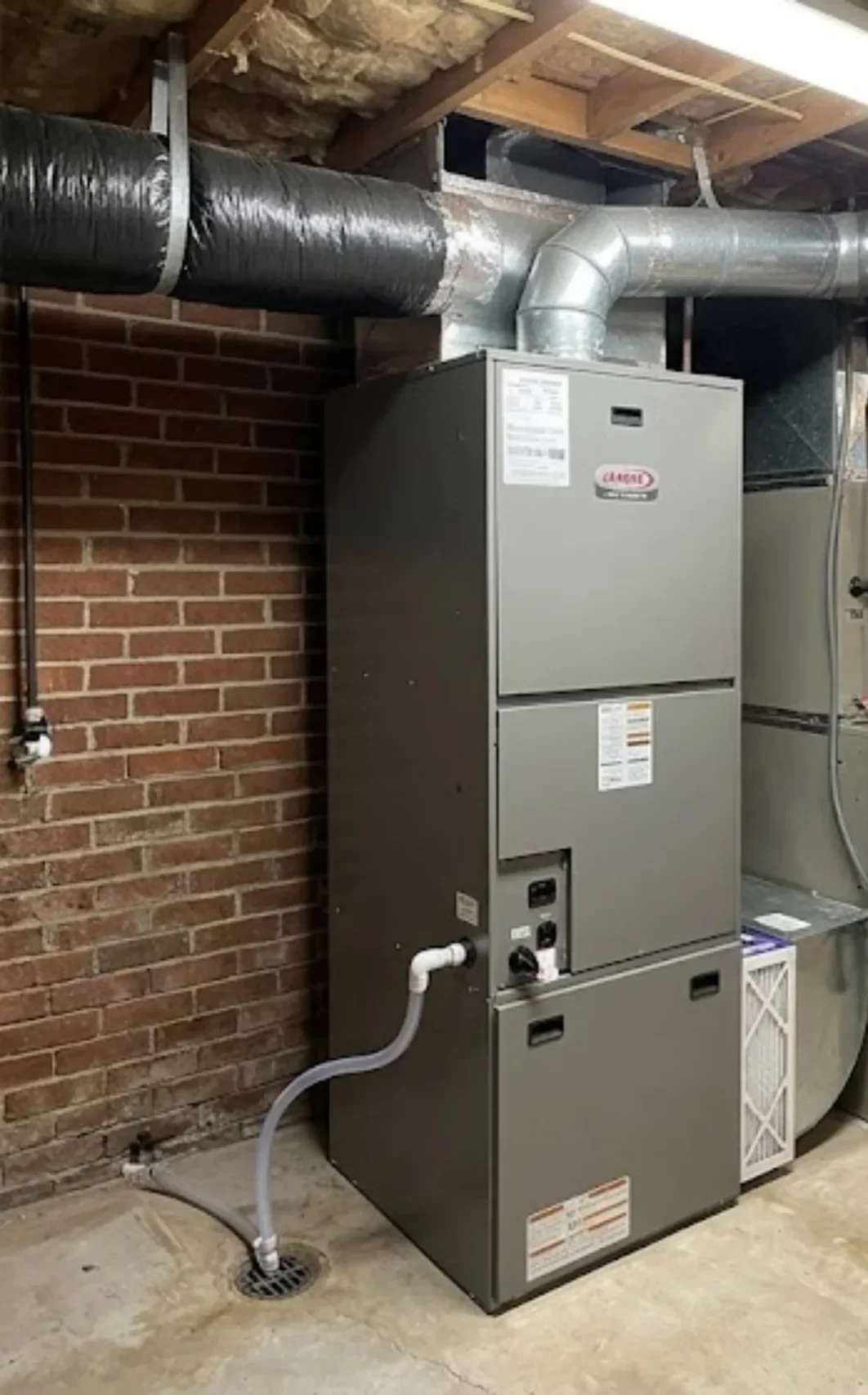 Change or Clean Air Filters Regularly
This one is the bare minimum. Among other maintenance tips, this one is the one you shouldn’t skip, though that doesn’t mean the others aren’t important, and you may not always find time to fit the others. Make it a habit to check your filter and clean or replace it every 1-3 months. If this small part gets clogged, it creates a domino effect—airflow becomes restricted, efficiency drops, and your system has to work harder just to keep up.
Keep the Area Around the Air Handler Clean
Imagine if the area where you put air handlers is cluttered with boxes, dust, or debris–airflow will definitely be harder to reach the handlers and eventually affect the air circulating your home. This small detail may get overlooked, but a clean surrounding area helps maintain proper airflow and allows easier access for inspection and service when needed.
Inspect and Clean the Evaporator Coil
This part is where the cooling action actually happens, so keeping it clean from dust and debris means better cooling, smoother performance, and less strain on the system. Simple inspection and cleaning can be done DIY-style, but it’s best to leave it to a professional every once in a while if you find it difficult to access.
Check the Blower Motor and Fan
Our next one in this air handler maintenance tips is to take a moment and give attention to your blower motor and fan. Our tip is to look, listen, and feel. First, look for any visible dirt on the blower motor and fan, which obviously should be cleaned right away. Next, listen to any unusual noises and feel if the airflow is weaker than usual. If anything feels off, it’s best to call a professional before it leads to bigger issues.
Clear and Inspect the Condensate Drain Line
Since this one deals with water and moisture as the byproduct of the cooling process on a day-to-day basis, it can get clogged by algae or other debris over time. Again, make it a habit to check the drain regularly and keep it clear. Our tip is to use a simple solution, like vinegar, and flush it down occasionally to prevent any buildup from forming.
Seal and Inspect Ductwork Connections
Any leaks or loose connections waste a lot of cool air (which your system has worked hard to achieve) before it reaches your room. Hence, check for gaps, disconnected joints, or areas where air might be escaping. If the leak is small and easy to access, you can try applying HVAC foil tape or sealant, or try tightening them yourself. However, if it’s big, multiple, and difficult to reach, calling a professional is recommended.
Test Thermostat Functionality
Your system will only work in response to the thermostat. So, check whether your system responds correctly when you adjust the temperature and whether the room feels the same as the readings in the thermostat. If not, the solution can be as simple as changing the battery, or it may just need recalibration.
Signs Your Air Handler Needs Professional Attention
Sure, our maintenance tips can help ensure your system runs smoothly during the scorching summer. However, problems may still arise sometimes. That being said, you also need to watch signs that signal best maintenance from a professional is needed. First off, weak or uneven airflower with unusual noises, like rattling or grinding, may be a scream for help.
Your warning can also come in the form of rising energy bills with no clear reason whatsoever due to the struggling system. Another is water leaks or excess moisture around your unit that you can’t seem to figure out why, which may also warrant professional attention before the system breaks down further, or worse, other stuff around it gets ruined.
How Johnson’s HVAC Helps Keep Your Air Handlers Running Smoothly
Think of professionals, like Johnson’s HVAC, as your partner working together to make sure your system stays efficient and reliable. You, as a homeowner, can handle simple, routine tasks, like changing filters and keeping the area around the air handler clean, whereas our team handles more complex work, including detailed inspections, deep cleaning, and addressing technical issues.

End Note
Now what was seemingly simple and insignificant air handle should be one on top of your home maintenance list because small, consistent steps go a long way in maintaining comfort and efficiency, air-wise, in your home. Through the combination of simple at-home maintenance and the right professional support, you’ve done exactly that.
If you want to make sure everything is running at its best, reach out to Johnson’s HVAC today.
FAQs
How often should I perform maintenance on my air handler?
Basic air handlers maintenance should be done every 1-3 months, especially for things like air filters. However, a more thorough check can be done once every year.
Can I clean my air handler myself?
Yes, certainly. Simple tasks like changing filters, clearing the area around the unit, or flushing the drain line can be done yourself.
How do I know if my air handler is working efficiently?
Signs of good performance include steady airflow, consistent room temperatures, normal energy bills, and no unusual noises.
When is the best time to schedule air handler maintenance?
The best time is before peak usage, like summer or winter, so your system is ready to handle increased demand.


Recent Comments