

Most furnaces can last from 15 to 20 years with regular maintenance. A gas furnace typically falls in that range, while an oil furnace can last a little longer, and electric furnaces can last 20 to 30 years.
However, because Southwestern Pennsylvania’s climate can bring long, cold winters, it’s recommended to start planning for a replacement once the furnace hits the 15-year mark. Especially here in Westmoreland County, a furnace doesn’t get much break. Those sub-freezing nights keep the furnace working extra long hours to keep the house warm and comfortable. This is where regular maintenance comes in: catching issues early and preventing your heating system from suddenly breaking down during a cold winter snap.
How Long Do Furnaces Last? Lifespan by System Type
Different furnace types have different lifespans, and whether they reach the top end also depends on several factors, including maintenance and how hard they have to work. Therefore, these numbers are estimates and a general range, not a strict guarantee.
| System | Typical Lifespan | What Wears Out First | Notes for Westmoreland County Homes |
| Gas Furnace | 15–20 years | Igniters, flame sensors, blower motors, and heat exchangers | The most common in local neighborhoods. The high-efficiency models require clear intake/exhaust pipes during heavy snow. |
| Oil Furnace | 15–25 years | Oil nozzles, filters, electrodes, and combustion chambers | Still found in rural parts of the county. Requires yearly cleaning to prevent premature wear. |
| Electric Furnace | 20–30 years | Heating elements, relays, and sequencers | High operating cost, especially during deep freezes. |
| Boiler | 15–30 years | Circulator pumps, zone valves, and expansion tanks | Common in older brick homes with baseboard or cast-iron radiator heat. |
| Heat Pump | 12–15 years | Reversing valves, defrost controls, and compressors | Runs year-round for heating and cooling. Therefore, working harder than most. |
Gas Furnaces
Gas furnaces are the most common heating system in Western Pennsylvania because they heat fast, provide reliable heat on sub-zero nights, and cost less to operate than electric or oil furnaces. With regular maintenance, a gas furnace can last up to 20 years. Note that throughout the lifespan of gas furnaces, it’s normal to have parts replaced due to wear and tear, such as a hot surface igniter, a flame sensor, or a blower motor.
Oil Furnaces in Pennsylvania Homes
According to the U.S. Energy Information Administration (EIA), oil furnaces make up only 3.5% of U.S. households, but 12% of homes in Pennsylvania. Some of these numbers are found in rural parts of the county, where gas lines don’t reach, and oil furnaces become the primary option for many homeowners to stay warm during the winter.
Oil systems use heavier-gauge steel heat exchangers. A well-maintained unit, like the Trane and Thermo Pride oil furnaces Johnson’s installs and services, routinely lasts 15 to 25 years. One downside of oil furnaces, however, is that fuel oil burns dirtier than gas, so regular upkeep is a must if you want to reach that 20-year mark.
These particular steps of an oil furnace tune-up are critical:
Replacing the nozzle and fuel filter: These parts can easily clog with tiny bits of sediment, causing sloppy combustion that wastes fuel and leaves carbon behind.
Cleaning out soot: Just a little soot in the combustion chamber can act as an insulator, forcing the burner to run hotter and longer to warm your house.
Checking oil tanks and lines: Over time, condensation inside the outdoor tank can create sludge at the bottom. If that buildup clogs your fuel line, you may have to replace the tank when you replace your furnace.
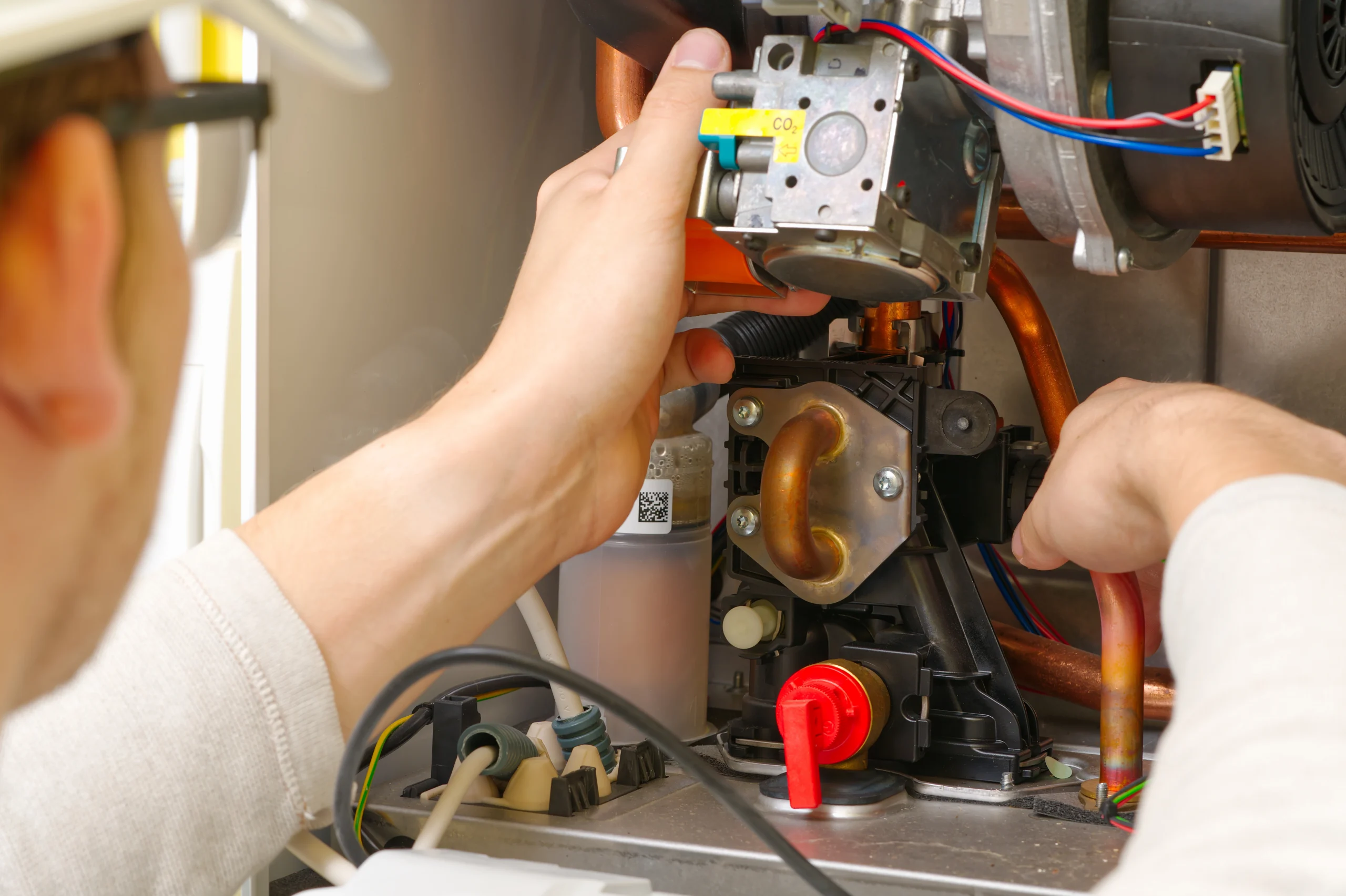
Electric Furnaces, Boilers and Heat Pumps
Electric furnaces typically have the longest lifespan among heating systems, spanning between 20 and 30 years. This is partly because an electric system doesn’t use an open flame, fuel burner, or corrosive exhaust gases, which helps minimize internal wear and tear.
Boilers work by circulating heated water through radiators or baseboards rather than blowing air. With proper maintenance, they can easily last past 25 years. This type of heating can be found in many older brick houses around Greensburg and Jeanette.
Compared to a traditional furnace, heat pumps tend to wear out faster. This is primarily because of their workload. Heat pumps can operate as a heating system and an air conditioner. So they can run year-round, during the hot months and cold seasons.
If you are weighing a traditional furnace against a heat pump, check out our heat pump vs. furnace comparison guide to see how both hold up in western Pennsylvania winters.
What Shortens (or Extends) a Furnace’s Life?
Climate and Run Time in Southwestern PA Winters
A major influence on a system’s lifespan is operational hours, not just calendar years. For instance, in Westmoreland County, your furnace can run nearly nonstop from October well into April. This means a furnace here logs far more mileage each winter than the same unit in other parts of the country, like Virginia or North Carolina.
Sizing and Installation Quality
Another factor most people overlook is how the furnace was installed and whether it was properly sized. For example, if the contractor installed a unit that’s too large for your home’s square footage, it can trigger a constant stop-and-start or short cycling, which puts a heavy burden on the igniter, blower motor, and heat exchanger.
Maintenance and Filter Changes
Like any other machine, a furnace needs regular checkups to ensure all parts are in good condition and can deliver enough heat through the winter. Skipping this crucial step will almost certainly cause problems down the road. Don’t forget to clean or replace the air filter regularly, as it can clog with dust and pet hair, reducing airflow and forcing the blower motor to work harder.
Thermostat Habits
How you set the thermostat also matters. For example, keeping your thermostat fan on instead of “AUTO” runs the blower motor 24/7. This can cut the lifespan in half and pull cool air through your vents between heating cycles. Setting it into extreme temperature swings, such as dropping the heat down to 55 degrees while you’re away and cranking it back up to 70 at night, forces the furnace to run a long and continuous burn every evening. Instead, opt for a slight change, like a small 3-to-5-degree setback.
How Old Is My Furnace?
To check how old your furnace is, simply look at the serial number, which reveals the exact month and year it was built. Access the serial number by first turning off the power switch on the side of the unit, pulling off the front access panel, and looking on the inside cabinet wall for a metal or silver sticker.
Different manufacturers might have different formats. If you’re unsure what the serial number means, give our team a call, and we’ll help you figure it out.

When Should You Replace Your Furnace?
Most HVAC technicians rely on the 50% rule when deciding to repair or buy a brand-new one. In other words, if the cost of the repair is near half the price of a new furnace, plus the unit is already 12 to 15 years old, investing in a new one would be the better option.
| Age | Repair History | Symptom | Recommendation |
| Under 10 years | Little to none. Still under warranty. | Short cycle, furnace won’t ignite, or blows cool air. | Repair. Minor issues are normal and inexpensive on new units. |
| 10 – 14 years | One minor repair in the past few years. | Lack of airflow, noisy operation, uneven heating. | Repair (only if under 50% rule). |
| 15+ years | Multiple service visits over the last two winters. | Increasing energy bills, frequent breakdowns. | Replace. Ongoing repair bills will accumulate, and the machine is likely near the end of its run. |
| Any age (typically 15+) | Doesn’t matter. | Cracked heat exchanger, yellow burner flame, carbon monoxide alarm going off. | Replace immediately. These symptoms pose serious safety hazards. |
.
Your Furnace Is Past 15 Years
Once the gas or oil furnace is past the 15-year mark, it’s entering the last phase of its working life. In this stage, you likely encounter more issues, and replacement parts become harder to find and more expensive.
Repairs Are Getting Frequent or Expensive
Signs such as frequent and expensive repairs mean that the system is no longer meeting your needs. In this case, replacing it may be a smarter option, as you’ll spend the money on a new unit instead of expensive, frequent repairs.
Rooms Heat Unevenly or Bills Keep Climbing
As blower motors wear out and heat exchangers lose efficiency, an aging furnace has to run longer and harder, driving up energy bills. You might also notice your living room feels fine while upstairs bedrooms stay chilly. When these happen, a replacement could be your next step in maintaining comfort all through the winter.
A Technician Finds a Cracked Heat Exchanger
Finding a crack in the heat exchanger is serious and can pose a safety hazard. In this case, replacement is the only option. A heat exchanger is the metal wall separating toxic combustion exhaust from the warm air blowing into your rooms. When this is compromised, there’s a risk of a carbon monoxide (CO2) leak.
According to the CDC, the symptoms of carbon monoxide poisoning include: Headache, dizziness, fatigue, upset stomach or vomiting, confusion, or shortness of breath.
How Much More Efficient Is a New Furnace?
To compare the efficiency of the old vs new, look at its AFUE (Annual Fuel Utilization Efficiency) rating. It tells you what percentage of fuel actually turns into heat for your home over a winter, while the rest escapes as exhaust.
According to the U.S. Department of Energy, older furnaces often run at just 56% to 70% AFUE, while today’s high-efficiency condensing models reach up to 98.5% AFUE—with ENERGY STAR-certified units leading the pack.
Browse our Heating & Furnace services here.
Get an Honest Furnace Assessment From Johnson’s
Winter is fast approaching, so if you’re noticing issues with your furnace, have it professionally inspected or repaired now. Look no further than Johnson’s HVAC. Get an in-home estimate for a replacement or a repair visit. We provide 24/7 service and can be there within four hours. Set up an appointment through our website or call us at 724-423-1111.


Recent Comments