
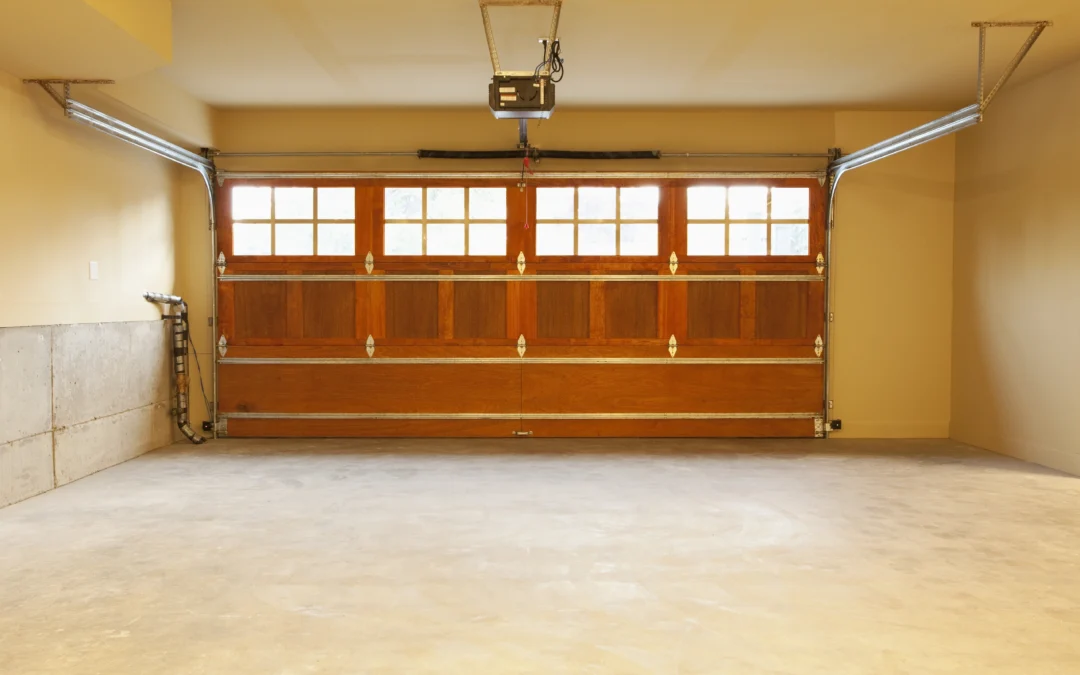
Winter is coming, and you may be thinking about your home’s heating system. Other than the main living areas like the bedroom and the living room, the garage is one place where heating features can come in handy. So, with that, how do you heat your garage? What is the best electric garage heater? What is the best residential garage heater? Read on to find out.
What Is the Best Way to Heat a Garage?
The best way to heat a garage depends on its size, insulation, available energy sources, and how often you need heat. Electric heaters can work well for smaller or occasionally used garages, while professionally installed gas or electric systems may be better suited to larger garages or homeowners who need consistent heat throughout the winter.
1. Electric Garage Heaters
Portable vs. Hardwired Electric Garage Heaters
The best electric garage heater depends on your needs and preferences, including how you plan to use the space and your garage layout.
A portable heater offers the most flexibility, since you can move it to different spots. They’re also affordable because you won’t need to pay for installation costs. It’s simply a plug-in device. However, a portable electric heater often can only produce a minimum amount of heat that might not be sufficient to effectively heat the whole room, especially if your garage is big.
A hardwired electric garage heater, on the other hand, is a powerful unit that’s mounted on the ceiling or the walls. They can heat the room more effectively by heating evenly across a large space (around a two- or three-car space). One downside of a hardwired electric heater is that it requires professional installation, which adds cost.
When Does Electric Heat Make Sense?
Electric heaters become an ideal option when cost, simplicity, and safety are your priorities. Because electric heaters don’t burn fossil fuels, they produce no carbon monoxide emissions, so you generally don’t have to cut holes in the walls for ventilation. This makes electric heat safe for rooms like a garage.
Electric heat also makes the most sense for homeowners who use their garage intermittently—such as for weekend DIY projects or brief hobbies—as it bypasses the complex infrastructure required by gas lines while delivering clean, instant warmth on demand.
2. Gas-Fired Garage Heaters
Benefits of a Gas Garage Heater
Because they use natural gas or liquid propane to generate heat, they provide exceptional heating capacity compared to other options, such as electric heaters. If you spend a lot of time in the garage during the winter and need sufficient warmth, a gas garage heater can be the ideal option. One disadvantage, however, a gas garage heater requires a professional and major installation, which can cost a lot initially.
What Does Installation Involve?
Installing a gas heater requires not only an intricate and complex system, but also strict adherence to local regulations. Unlike plug-and-play electric options, a gas system needs a dedicated fuel source, so you must run a new natural gas line from your home’s main supply or install an external liquid propane tank. And as it uses gas as the main power source, safety becomes critical. The installation process involves cutting through your wall or roof to install a dedicated exhaust flue or ventilation pipe to safely vent carbon monoxide outside your home.
3. Ductless Mini-Split Systems
Why Consider a Mini-Split for Your Garage?
A mini-split system offers a sophisticated alternative to traditional heating systems. These mini-split systems are sleek, modern, and versatile, and they don’t require a complex installation process. They’re effective in providing year-round climate control: they can heat as well as cool a room. This dual capability makes it the ultimate solution if you use your garage as a home office, gym, or active workshop year-round.
Is a Mini-Split the Most Efficient Garage Heater?
Yes, compared to other systems, a mini-split is the most energy-efficient option to heat a garage. It uses advanced heat pump technology that absorbs thermal energy from the outside and delivers it inside. This efficient operation allows it to deliver warm air while consuming less energy, and as a result, it can lower your overall energy bills.
4. Radiant and Infrared Garage Heaters
How Radiant Heating Works
Radiant heating uses infrared electromagnetic waves that radiate through the air without actually heating the air itself. The heat only activates when those waves physically hit a solid surface—like your concrete floor, your toolbox, or your car. Those objects absorb that energy, warm up, and then slowly push that heat back out into the rest of the space like a radiator.
When Radiant Heat May Be a Good Choice 
Radiant heating may be the best choice if the garage space is poorly insulated or you constantly have to open the door. When using a traditional heating system, a poorly insulated room will result in the heat escaping. But with radiant heating, the energy is stored in the objects, so the heat is still locked in and won’t instantly freeze out the room.
Electric vs. Gas Radiant Heat
Now, what about electric vs. gas radiant heat? These are the two options if you choose infrared. Electric radiant is cheaper and easier to install, ideal for a small- to medium-sized garage. Gas radiant, on the other hand, is perfect for a larger space, but it requires professional installation and has a higher upfront cost.
5. Extending Your Home’s HVAC System: Is It a Good Idea?
Using your current home’s HVAC setup to heat up an extended space, such as the garage, may not be a good idea. First, furnaces and heat pumps are strictly sized for the exact size of your living space. Forcing it to add another square foot can cause an overload, spike in energy bills, and even mechanical failure. More critically, it can create a safety hazard, especially in a room like a garage, where exhaust, gasoline, and other chemicals can be sucked into your home’s HVAC and carried directly to your bedrooms.
What Is the Best Residential Garage Heater for Your Home?
Best for a Small Garage
For small garages, such as a one- or two-car space, what you need is a heater that doesn’t take up much space. A compact portable electric heater or a fan-forced heater is your best option. You can move it around easily and turn it on and off by plugging it in or unplugging it.
Best for a Large Garage
A large garage would require a more heavyweight heating system that can provide significant heat evenly. Here, the clear winner is a gas-fired garage heater. Although installation is complex and cost may be higher initially, gas-fired heaters have low fuel costs, which makes them an efficient choice ot heat up a large area effectively.
Best for a Garage Workshop
A garage workshop often means the involvement of tools and hours spent in the garage. An infrared option, such as the radiant heater, sends heat waves directly to tools, floors, and your body, and they make no sound–perfect for a working condition where focusing on your project in a comfortable environment is the priority.
Best for Heating and Cooling
If you need both heating and cooling capabilities at once, look no further than the mini-splits. A single unit can offer heating for winters and air conditioning for hot summer days. They cost more upfront, but they pay off by keeping the room perfectly comfortable whether it’s freezing in January or scorching in July
Best for Occasional Use
If you only use the garage once in a while, you want a heating system that’s not permanent and doesn’t cost much. An electric portable heater is ideal here. It’s the cheapest way to get instant warmth exactly when and where you need it without any long-term commitment.
FAQs about Garage Heating
Should You Leave Your Garage Heater Running All Winter?
No. You shouldn’t turn on the heater all winter, unless you are there working every single day. Allowing it to run 24/7 will waste energy and raise energy bills.
How much does it cost to heat a garage?
Heating a garage depends on the type of heating system, local utility rate, as well as how well your space can hold onto heat. For example, a portable electric garage heater used only occasionally can add $20 – $50 a month, while natural gas or ductless mini-splits running occasionally can cost $80 a month.
Garage heater safety tips
When adding a heating system to the garage, you want to make sure it’s clear of hazards, such as chemicals and fumes. So what you want to do is:
- Clear the area around the heater.
- Remove chemicals and other hazardous materials away from the heater.
- Kill the power when not in use.
- Install a carbon monoxide detector.
For all your heating needs, head over to Johnson Heating for high-quality products and installations. Call us today, and our team will gladly help get your heating ready before the winter season arrives.

Recent Comments